
TECH
April 1, 2025
by
Ole-Marius Rindal (PhD), Co-founder, Sonair
From flat to full: Bringing 3D perception to mobile robots
We’ve all seen the stats – the market for autonomous mobile robots (AMRs) is booming. And why not? Robots that can move and work alongside humans are transforming warehouses, factories, and city streets. But there’s one big problem: most robots today still rely on outdated 2D sensors to understand a 3D world.
That’s like trying to drive with one eye closed. It works… until it doesn’t.
Enter Sonair and ADAR: Making robots see in 3D
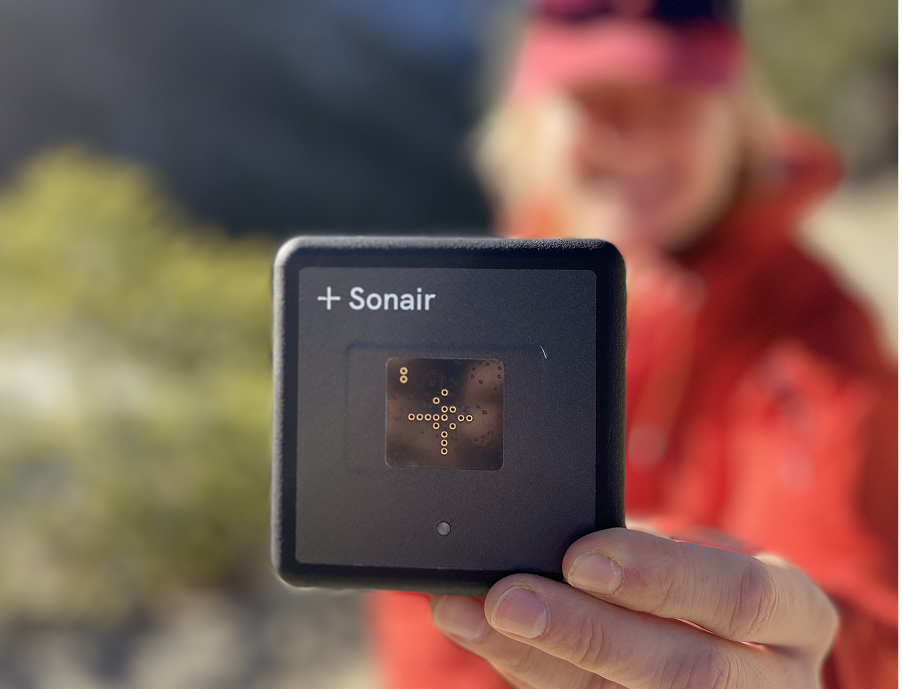
Our new 3D ultrasonic sensor, ADAR (acoustic detection and ranging), changes the game. It gives robots a full 180x180 view of their surroundings – like opening both eyes and finally seeing the whole picture. And the best part? It costs a fraction of the typical sensor package.
You might be wondering, why is this so groundbreaking? It all started when our co-founder, Frode Tyholdt and the team at SINTEF’s MiNaLab, managed to shrink high-quality ultrasonic transducers from 15 mm to just 2 mm. This tiny innovation unlocked 3D beamforming in air – a first in the commercial world.
We combined this with algorithms from medical ultrasound imaging and tailored them for air. The result? A sensor that doesn’t just detect distance but creates a 3D view of the environment – perfect for robots that need to interact safely with humans and objects in its surroundings.
Safety, smarts, and savings
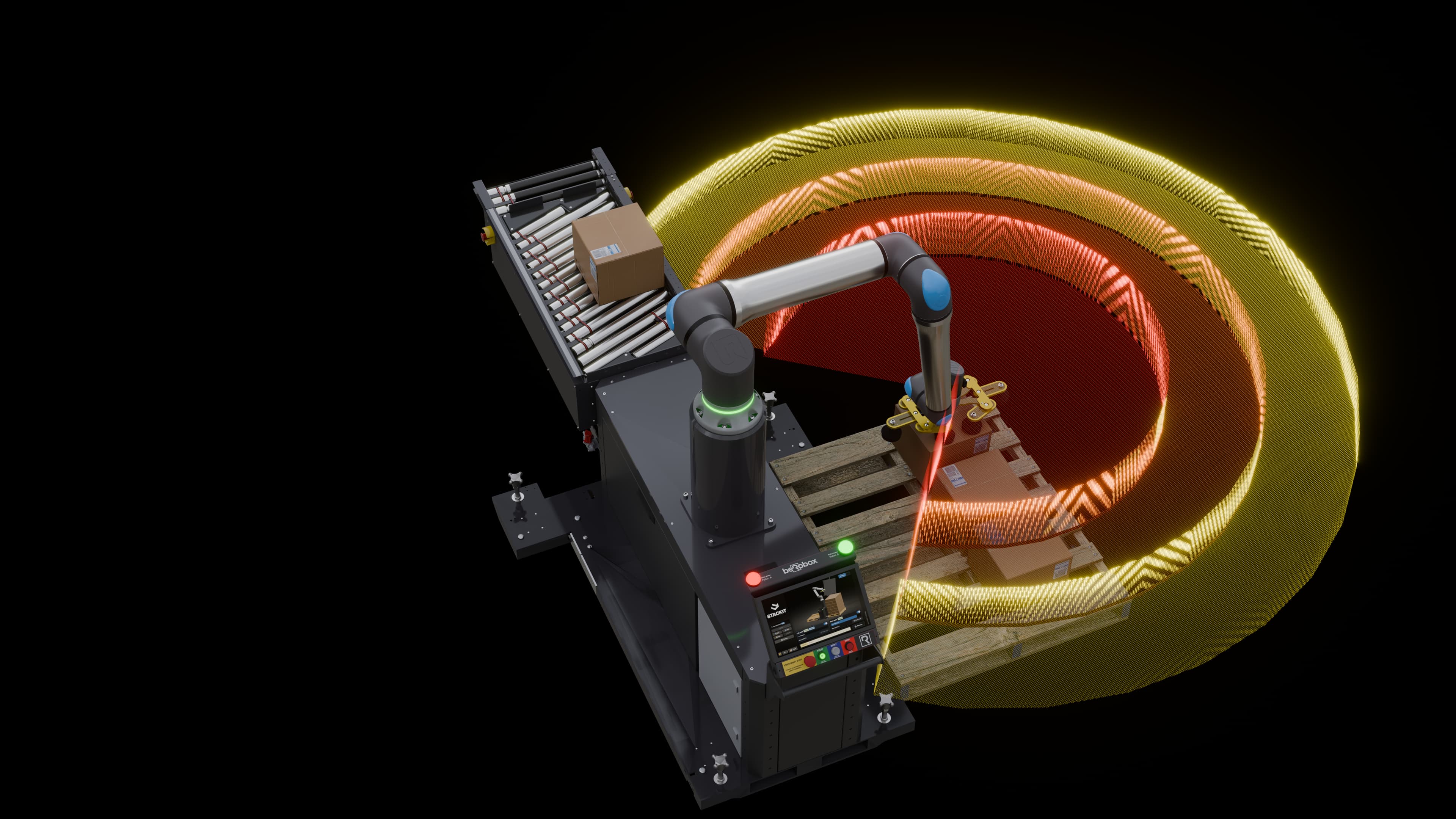
Typical AMRs use 2D LiDAR sensors to detect objects and people.They can cost upwards of $8,000 for a pair. And here’s the kicker – they still miss objects that are too high, too low, or made of glass or reflective surfaces. ADAR flips the script. Four ADAR sensors give you full 3D obstacle detection at half the price – and it works in tricky situations like darkness or fog.
It’s not just about seeing more; it’s about seeing what matters.Our sensor cuts through clutter to deliver actionable data, not just a flood of useless points.
Looking ahead
We’re not claiming to replace every sensor out there. The future of robot perception is fusion – combining the best sensors to get the clearest picture. ADAR pairs seamlessly with cameras for visual navigation (vSLAM),making it a versatile addition to any robot’s toolkit.
From mobile robots to industrial arms and even humanoid helpers, ADAR is set to redefine how robots understand and respond to their surroundings.

hello@sonair.com
Gullhaug Torg 2D
0484 Oslo
Norway
