
ABOUT SONAIR
Robots are leaving the cage
Autonomous machines are moving into warehouses, hospitals, retail spaces, and factories, working alongside people instead of fenced away from them. The safety systems built for that world haven't caught up.
That's why we're building ADAR, short for acoustic detection and ranging. It's the world's first safety-certified 3D ultrasonic sensor for autonomous robotics. Using sound, ADAR gives robots a true 3D view of their environment, detecting people and obstacles with precision and durability where other sensors struggle.


Watch: Sigrid on the remarkable physics of acoustics
Sigrid Øygard (PhD) talks about the barrier that kept 3D ultrasound out of the air and what it took to break it.
Built on deep science, delivered for industry
Sonair was founded in Oslo, Norway, with roots in advanced research from SINTEF, one of Europe’s leading technical institutions. Today, our patented technology and engineering team turn that deep expertise into practical solutions that robot manufacturers can adopt and scale.
ADAR is now being shipped to manufacturers around the world, backed by strong investor support and customer validation.
The Sonair team
We think about sound all the time. Sound is a wonder of nature and we just love to understand how it behaves in all kinds of conditions.
As kids we first experienced the physical laws of sound when we yelled into a mountain range and heard our own voice echoing back and forth.
Today, we know this is called reverberation and some of us have gone as deep as getting doctorates on the topic.
That’s how fascinating it is.

Cecilie Woetmann Bore
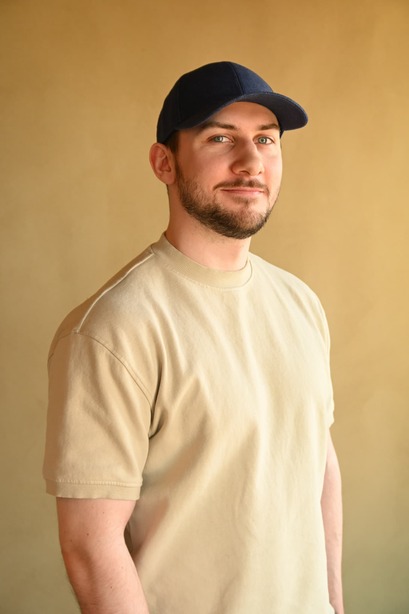
Leo Toneff
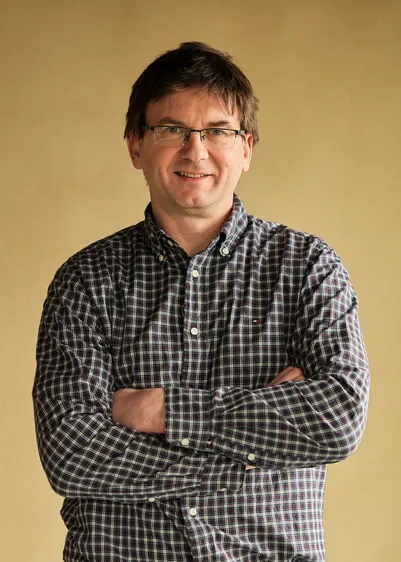
Pål Nordbryhn
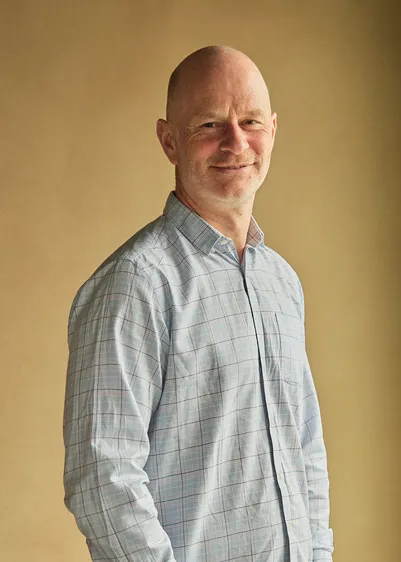
Joakim Hove, PhD
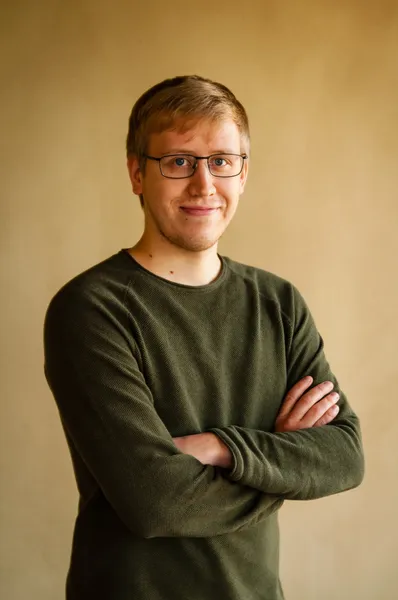
Even Masdal
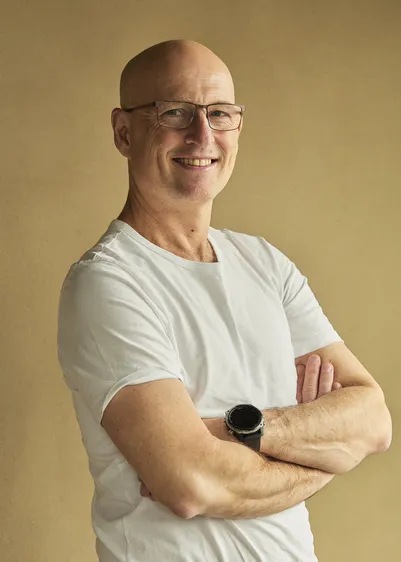
Espen Albrektsen
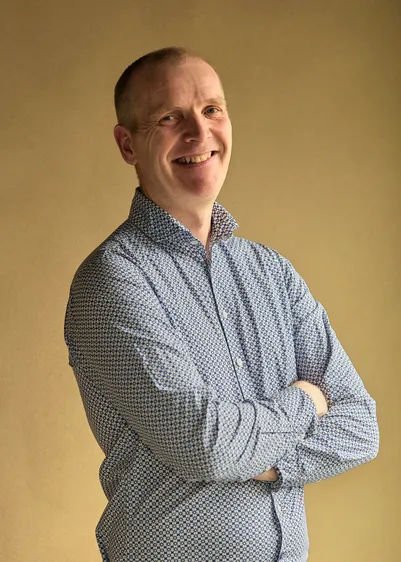
Endre Bakka
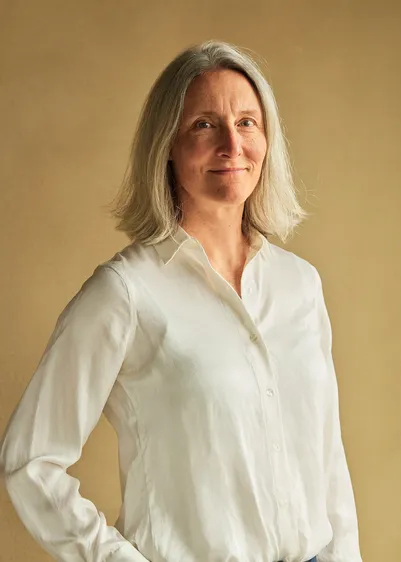
Britta Fismen
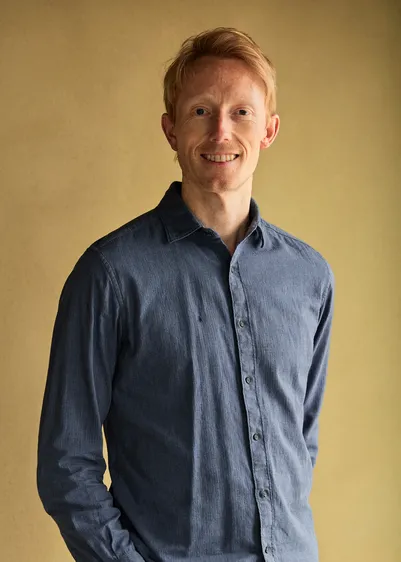
Hans Jørgen Bang, PhD
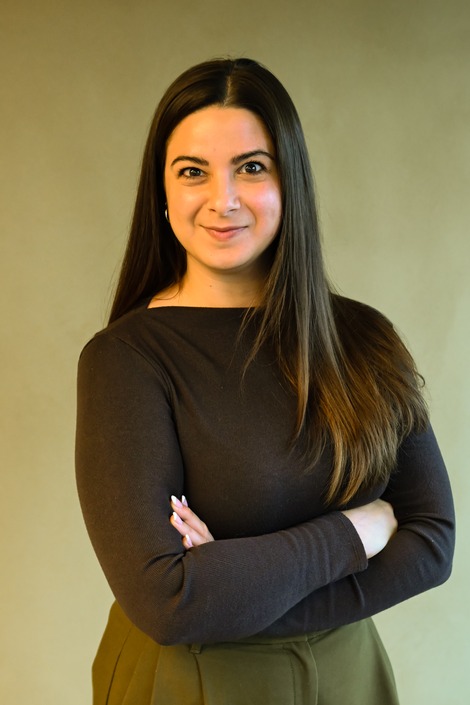
Marta Haro
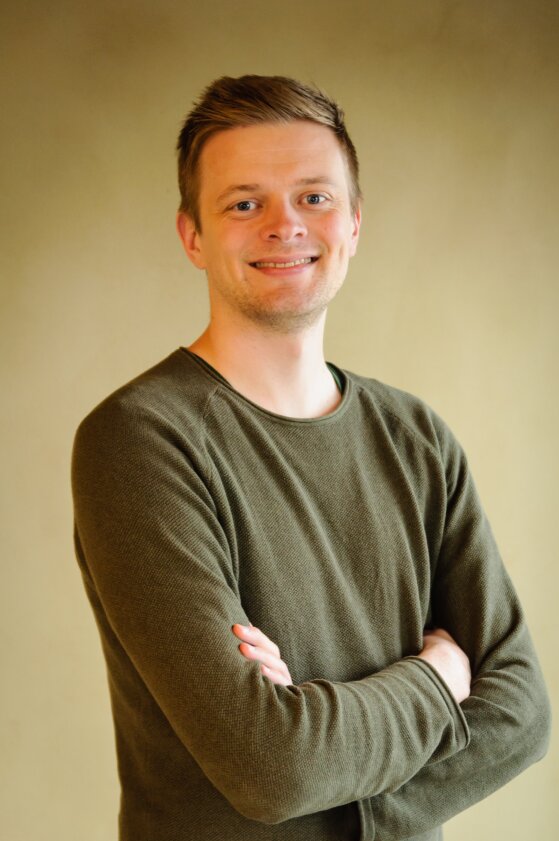
Simen E. Sørensen
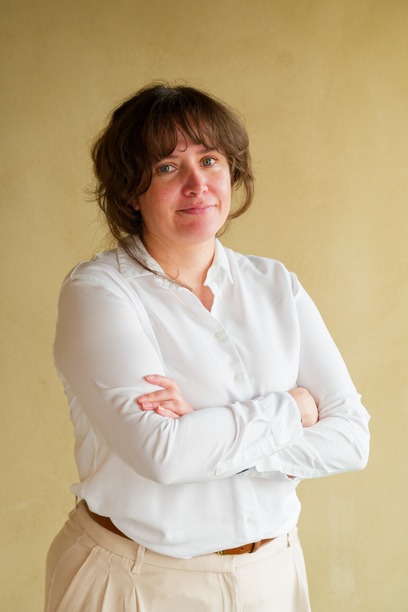
Hassia Castaneda
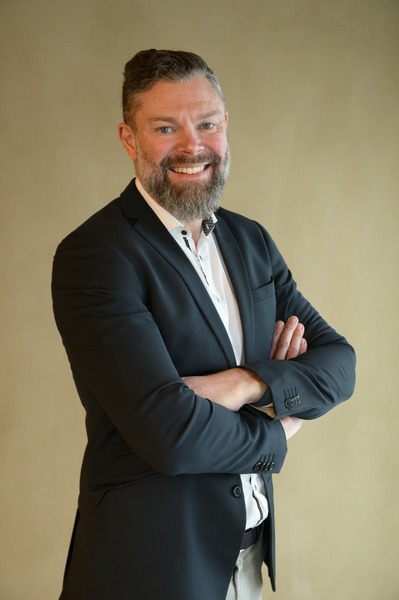
Christian Clausen
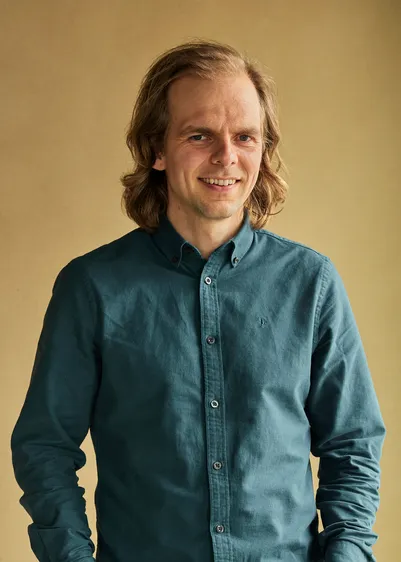
Ole Marius Rindal, PhD

Tarjei Holo
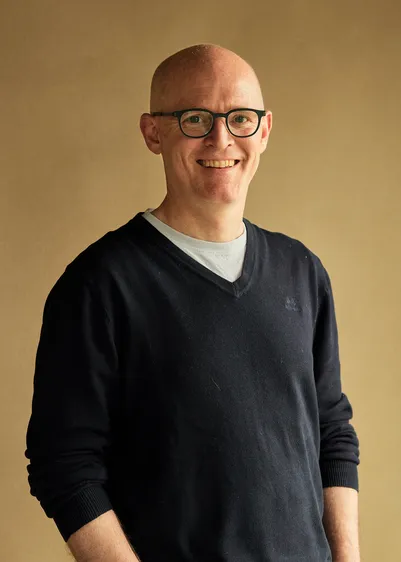
Frode Tyholdt, PhD
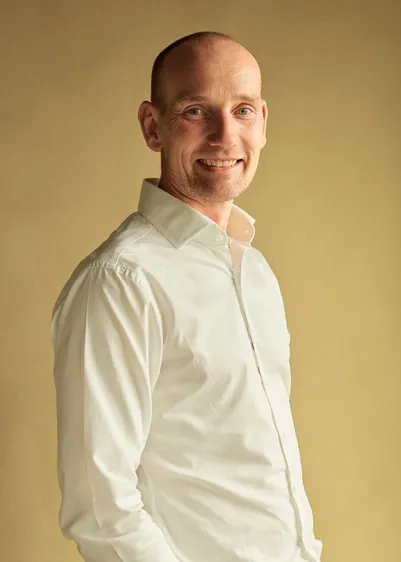
Knut Sandven

Marius Westgaard
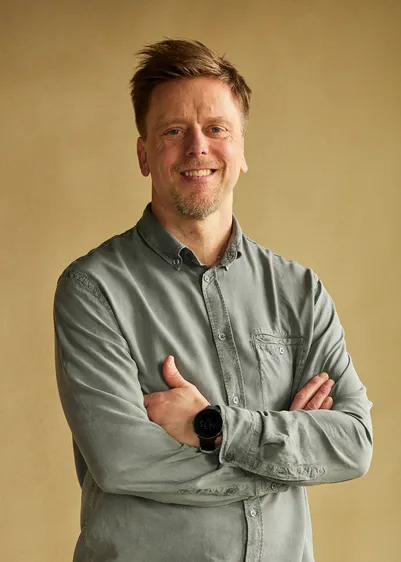
Tor Odland

Gussi Bull
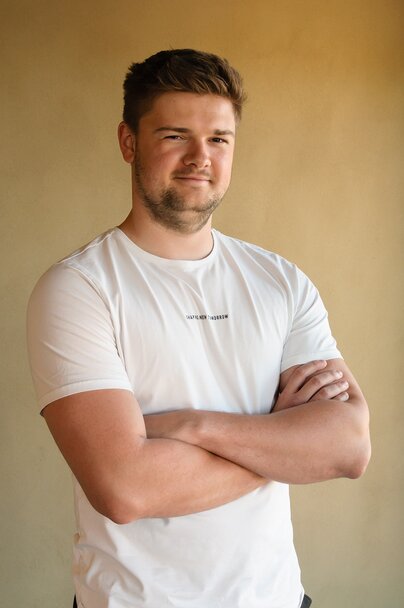
Mathias Madsen
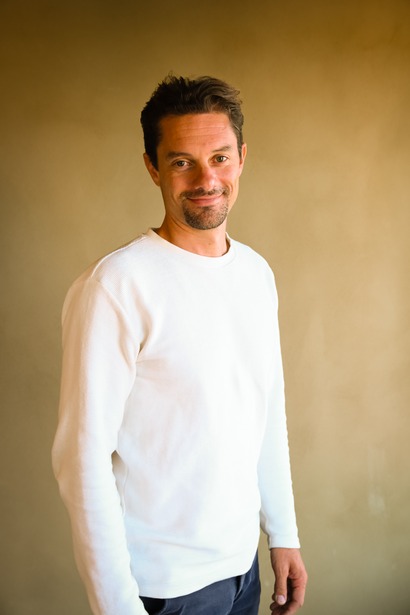
Markus Mayr
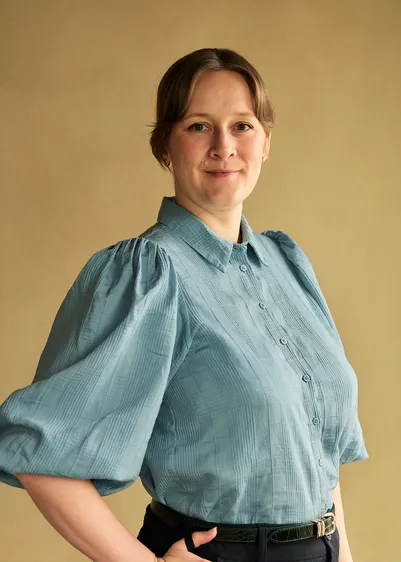
Sigrid Øygard, PhD
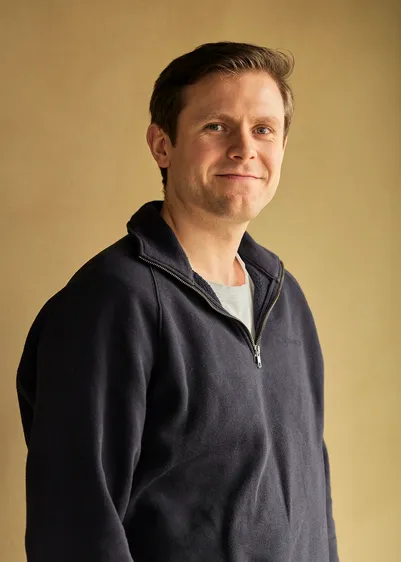
Oscar Meisal
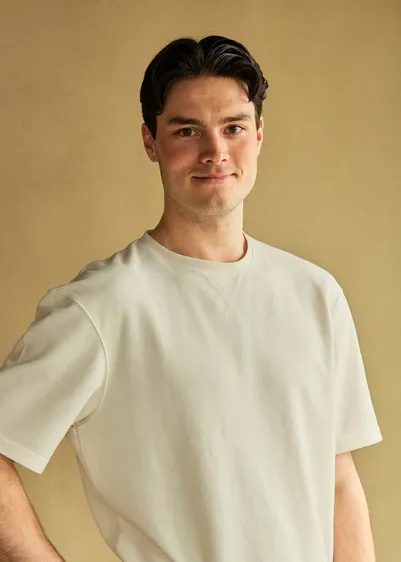
Simen Bergsvik

Dag Wang, PhD


Our investors


hello@sonair.com
Gullhaug Torg 2D
0484 Oslo
Norway
